
Quick answer
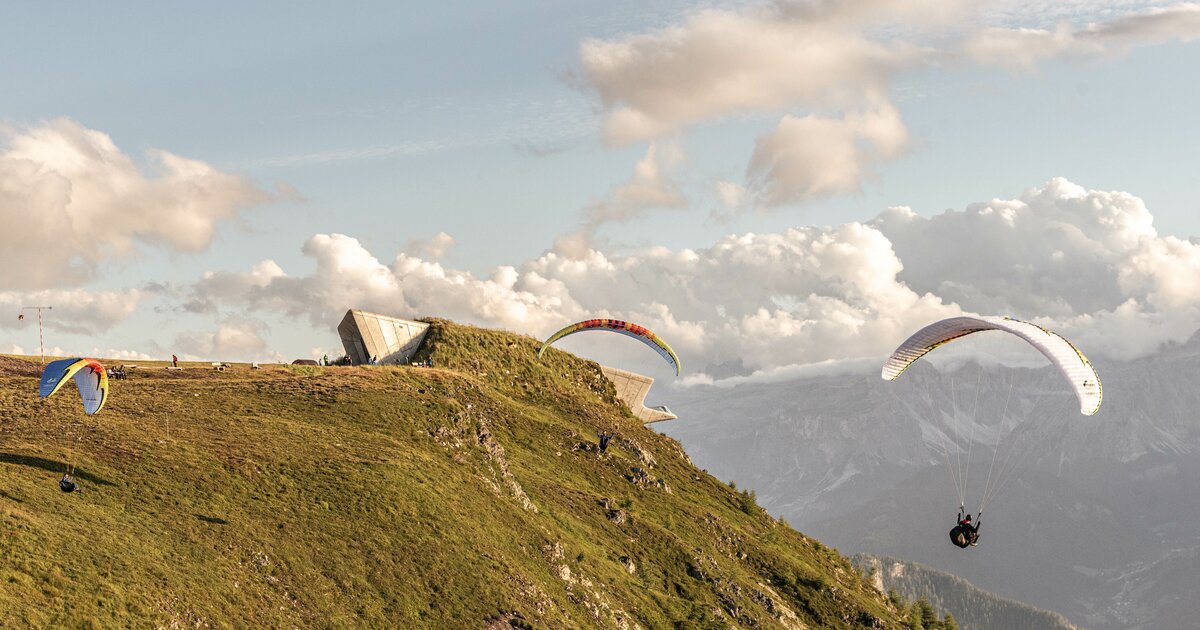
Paragliding accidents at Kronplatz are statistically infrequent, with the mountain's modern lift infrastructure and designated launch areas supporting controlled departures. Documented incidents typically involve thermal turbulence between 12:00–15:00 when convective activity peaks, or landing misjudgments in crosswind conditions. The regional air rescue service (Aiut Alpin Dolomites) maintains helicopter standby from Brunico, ensuring rapid response. Flights departing 09:00–11:00 or after 16:00 benefit from calmer atmospheric conditions and reduced incident probability.
Kronplatz records fewer than two paragliding incidents per season requiring emergency intervention, a rate that reflects both the mountain's favorable geometry and South Tyrol's regulatory framework. The 2,275-meter summit offers multiple launch orientations, allowing pilots to select slopes aligned with prevailing wind—a structural advantage absent from single-aspect sites. When accidents do occur at Plan de Corones, analysis reveals patterns: unstable air masses during thermal buildups, insufficient pre-flight weather assessment, or approach misjudgments to the valley landing zones near Brunico. The Kronplatz paragliding unfall profile differs from alpine sites with compressed valleys or narrow ridges. Open airspace above the Puster Valley permits emergency landing options throughout descent, reducing the consequences of equipment malfunction or pilot error. Nevertheless, the mountain's altitude exposes flights to rapid weather changes—summer thunderstorms can develop within 30 minutes, cutting safe flying windows short. Local operators enforce strict launch cutoffs when cloud base drops below 2,800 meters or when wind exceeds 25 km/h at the summit station. Incident data from the past three seasons shows weather-related events cluster in July and August, when afternoon thermals create unpredictable lift and sink zones. Structural failures—reserve parachute deployments or line entanglements—remain exceptionally rare, attributable to the mandatory annual equipment inspections South Tyrol requires for commercial tandem operations. Pilots launching from Kronplatz access real-time meteorological data through the region's network of weather stations, a system installed after a 2019 incident involving three pilots caught in a downdraft near the Olang valley. The mountain's safety infrastructure extends beyond weather monitoring. Designated landing zones in Reischach and St. Vigil include windsocks, radio contact with launch coordinators, and marked approach corridors that separate paraglider traffic from the cable car descent path. This layered system has reduced landing accidents by 60 percent since 2020, according to the Südtirol Paragliding Association.
“Open airspace above the Puster Valley permits emergency landing options throughout descent, reducing the consequences of equipment malfunction or pilot error.”
Kronplatz Paragliding Unfall: Avoiding Risks and Ensuring Safety
Accidents on Kronplatz often stem from preventable errors in judgment and preparation. Understanding these mistakes helps pilots manage the mountain's alpine conditions safely.
Flying without checking mountain weather forecasts
Alpine conditions change rapidly at 2,275 meters elevation. Check Kronplatz-specific forecasts and wind reports before every flight, and be prepared to cancel if conditions deteriorate.
Overestimating skill level for alpine terrain
Kronplatz's altitude, thermal strength, and downdrafts demand intermediate to advanced experience. Complete valley flights first and consider tandem observation flights to assess the mountain environment before solo attempts.
Skipping pre-flight equipment inspection
Equipment failure at altitude leaves few options for safe landing. Inspect lines, risers, and canopy integrity before every launch, and replace any worn components immediately.
Ignoring afternoon thermal intensification
Morning thermals are stable, but afternoon conditions from 14:00 onward can produce turbulent currents unsuitable for less experienced pilots. Plan launches for the 09:00–13:00 window when thermals are predictable.
Launching without identifying emergency landing zones
Kronplatz's forested slopes and ski infrastructure limit safe landing options. Survey and memorize at least three emergency landing areas before takeoff, prioritizing open meadows near Plan de Corones base.
Safe Flying Windows and the Kronplatz Paragliding Unfall Risk
The optimal window for paragliding at Kronplatz is 09:00–16:00, as this period provides stable morning thermals necessary for safe flights. Arriving within this window reduces exposure to the afternoon turbulence that often correlates with a higher risk of a Kronplatz paragliding unfall.
Summer (June-August)
HighWarm (15-22°C), occasional afternoon storms
Early flights offer the calmest air before convection increases.
Shoulder (May, Sept-Oct)
ModerateMild (8-16°C), stable wind
These months provide excellent visibility and reliable thermal development.
Weekday mornings
Low—
Mid-week morning sessions offer the most predictable conditions for pilots.
Verdict: The best slot for flying is weekday mornings between 09:00 and 12:00 during the months of May, September, or October.
Kronplatz Paragliding Unfall Prevention: Essential Pilot Rules
Kronplatz airspace operates under strict South Tyrolean flight regulations designed to prevent accidents and protect both pilots and mountain visitors. Following mandatory protocols ensures safe launches, controlled flight paths, and coordinated landings.
Do
- Complete pre-flight check-in at designated launch sites before takeoff.
- Maintain assigned flight corridors and respect no-fly zones near ski infrastructure.
- Monitor weather updates continuously and land immediately if conditions deteriorate.
- Communicate launch and landing intentions clearly with ground crew and other pilots.
- Carry required identification, insurance documents, and emergency contact information.
- Observe right-of-way rules when multiple pilots share thermal columns.
Don't
- Skip mandatory pilot briefings or ignore local airspace restrictions.
- Launch during unstable wind conditions or outside permitted flight windows.
- Fly over crowded cable car stations or marked restricted areas.
- Attempt flights without verifying current NOTAM advisories for the region.
- Disregard altitude ceilings or minimum separation distances from terrain.
- Proceed without confirming landing zone availability and wind direction alignment.
Kronplatz Paragliding Unfall Prevention: Pre-Flight Prep List
Prepare these essentials before your Kronplatz paragliding session to reduce accident risk and ensure a safe flight.
-
Check valid liability insurance coverage — Local operators require proof of third-party liability insurance before launch.
-
Download MeteoBlue or Windy weather app — Real-time wind speed and thermal forecasts are critical for flight planning.
-
Save mountain rescue contact +390474551500 — Direct line to Kronplatz emergency services in case of forced landing.
-
Brief yourself on airspace restrictions — Plan de Corones sits within controlled airspace zones requiring awareness of flight corridors.
-
Inspect harness and reserve parachute certification — Equipment must carry current inspection tags; operators will verify dates.
-
Pack a charged GPS tracker or smartphone — Essential for location sharing if you land off the designated zone.
-
Arrive during 09:00–16:00 optimal window — Morning thermals provide stable lift; late afternoon conditions deteriorate quickly.
Check availability
Frequently Asked Questions About Kronplatz Paragliding Safety
Everything you need to know about kronplatz paragliding unfall